Consultations
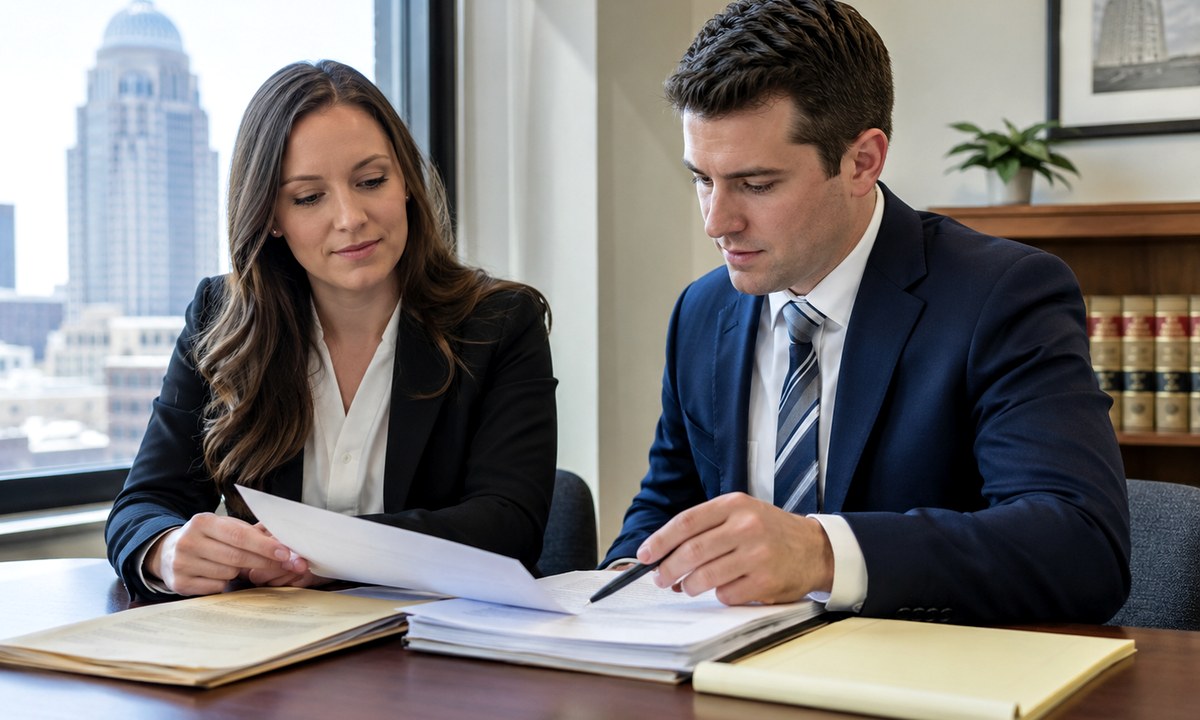
What to Bring to a First Lawyer Consultation
A short, organized packet can help an attorney understand the issue faster and keep the first meeting focused.
Read guide →Independent, practical legal information for people preparing to speak with a lawyer.
A short, organized packet can help an attorney understand the issue faster and keep the first meeting focused.
Read guide →
Flat fees, retainers, hourly billing, and contingency arrangements can cover very different scopes of work.
Read guide →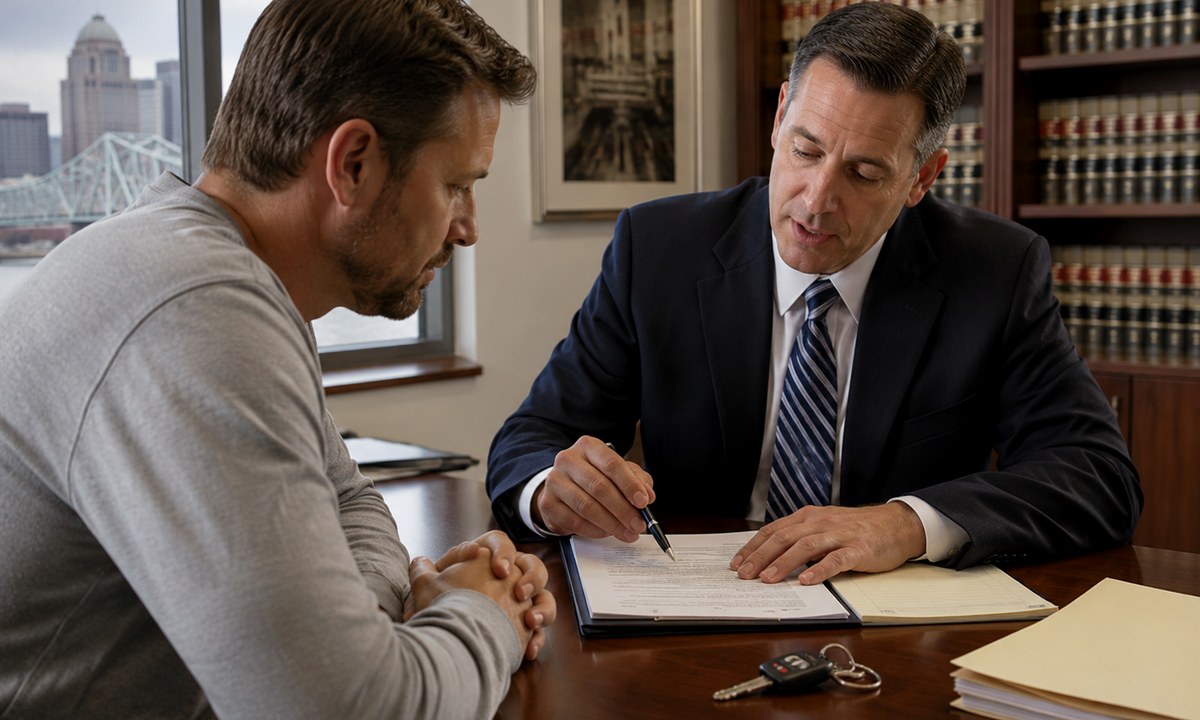
A concise chronology can make complicated facts easier to explain without losing the important dates.
Read guide →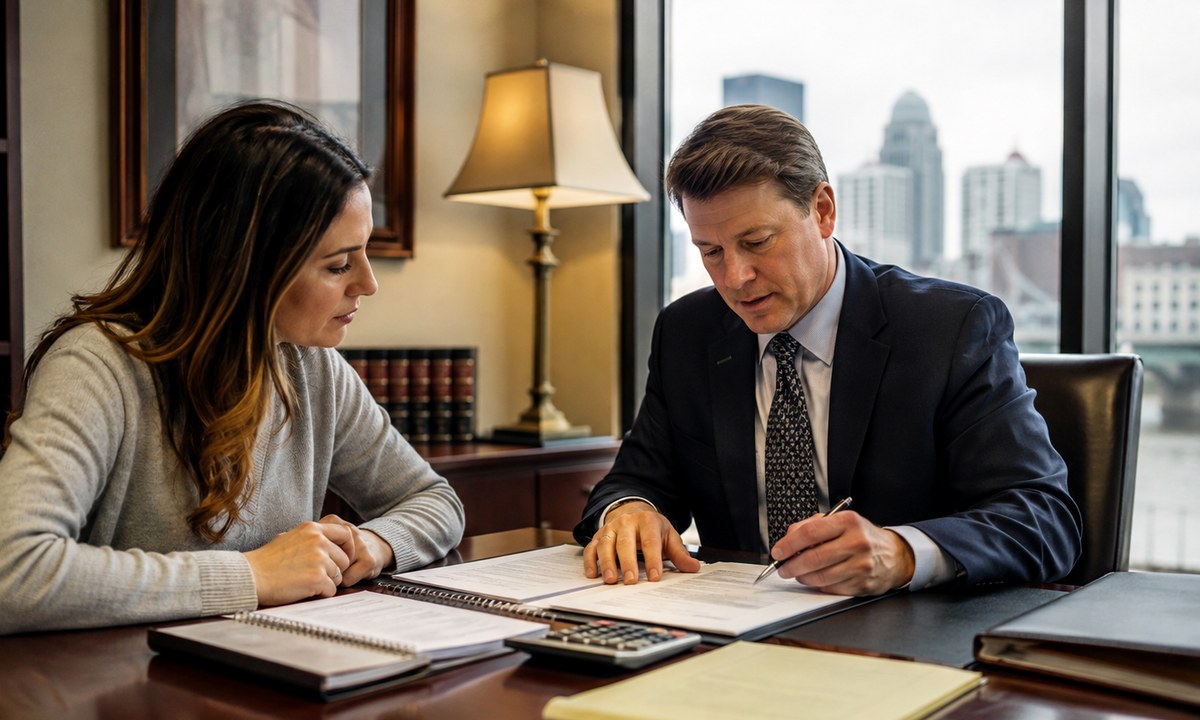
A practical reading list for payment terms, termination, notice provisions, dispute clauses, and responsibilities.
Read guide →
Medical records, photos, insurance correspondence, and work-loss information are easier to track when organized early.
Read guide →
A guide to income, expenses, account statements, court papers, and schedules that may help frame a family-law meeting.
Read guide →
A practical list of policies, messages, pay records, schedules, and performance documents worth keeping together.
Read guide →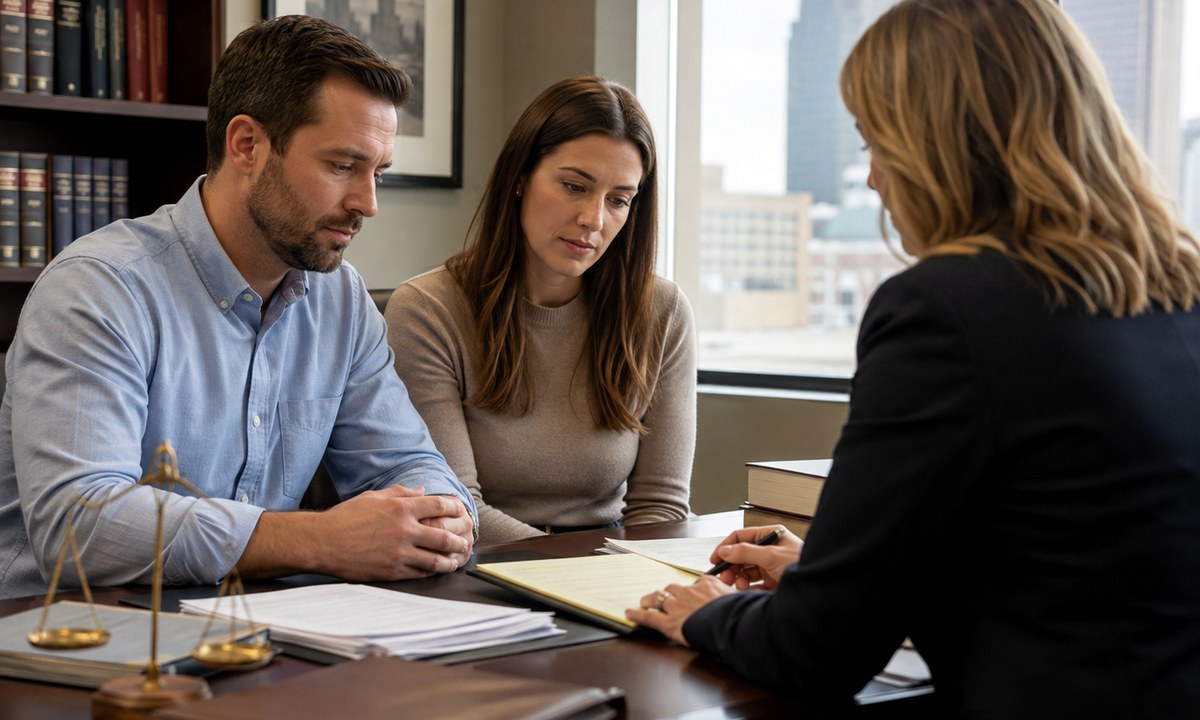
Court notices, citations, bond papers, and a factual timeline can help a defense consultation start more efficiently.
Read guide →
Think through decision-makers, beneficiaries, family goals, and existing documents before a planning appointment.
Read guide →
Questions about communication, scope, billing, staffing, and expectations can help you compare lawyers more clearly.
Read guide →